Decoding nature’s role in allergies: Insights from HEDIMED
Like other immune-mediated diseases, allergic diseases have been increasing in the Western world at the same time as economic and societal development, urbanization, and Western lifestyle in general. Allergic diseases include allergic asthma, allergic rhinitis, food allergy, atopic eczema, and as a severe case anaphylaxis. The European Academy of Allergy and Clinical Immunology (EAACI) has previously forecasted that even up to 50% of the European population would live with some allergy condition by the ongoing year of 20251. There is a common consensus that genetic factors are not the primary cause behind the increased incidence of allergic diseases. This indicates a significant opportunity for disease prevention and reducing the public health burden by identifying the underlying exposomic factors.
In this blog, we provide a brief overview of the few hypotheses behind the development of allergic diseases and demonstrate the highlights of allergy research in HEDIMED. Finally, an example of preventative intervention based on one concept is described with ideas of paving the way for future work to combat the allergy epidemic.
RECAP OF TIMELY HYPOTHESES IN ALLERGY RESEARCH
In earlier blogs, we discussed hypotheses explaining the rise in immune-mediated diseases. Here, we summarise the key hypotheses with focus on allergies. The hygiene hypothesis, popular before the 21st century, suggested that children exposed to early-life infections and less hygienic environments—such as those in farming families or lower socio-economic groups—had a lower prevalence of allergies. It proposed that the immune system needs “practice” through exposure to infections, with allergic diseases seen as a byproduct of higher living standards.2 This was later refined by the “old friends’ hypothesis”, which emphasizes the role of immune training through exposure to commensal bacteria that have co-evolved with humans. Building on these, the biodiversity hypothesis attributes the sharp increase in allergies and autoimmune diseases to reduced exposure to diverse environmental microbes of complex natural habitats, a consequence of urbanization and decreased nature contact.3
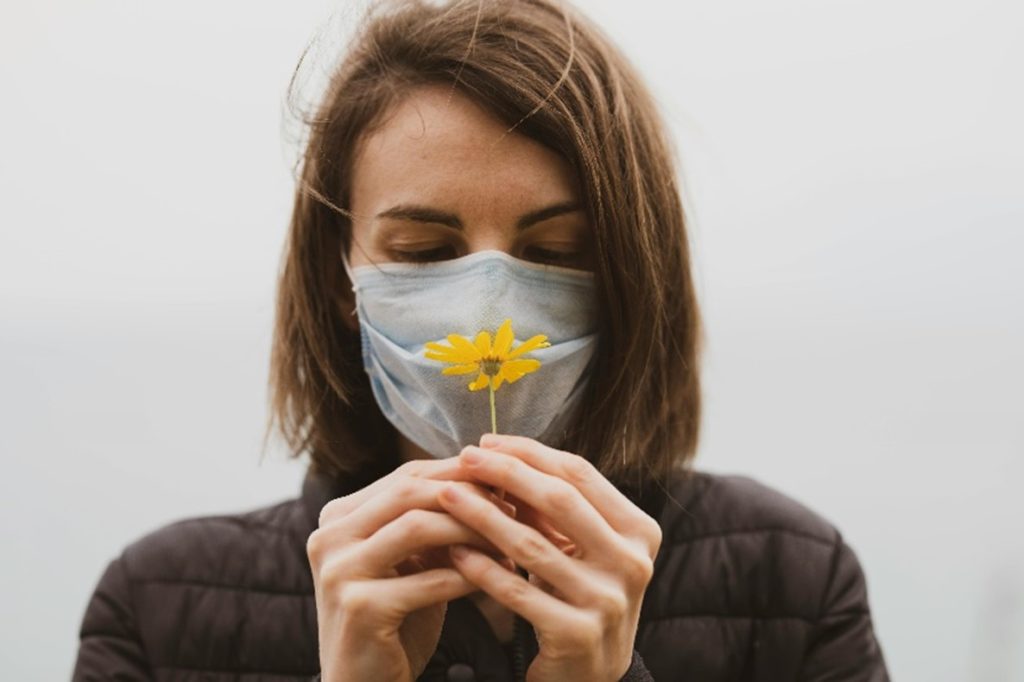
Picture 1. According to the biodiversity hypothesis, a lack of natural diversity weakens the immune system and may increase the risk of allergies.
In turn, the epithelial barrier hypothesis highlights how damage to the protective barriers of the skin, lungs, and intestine can trigger a Th2-cell immune response, which may overreact to allergens, causing diseases like asthma and atopic eczema. Factors such as chemicals, pollutants, and reduced microbial diversity disrupt the microbiome’s balance, increasing the risk of inflammation. Combined with modern lifestyle changes, these disruptions may lead to inappropriate inflammatory reactions and a rise in allergic diseases.4
HEDIMED outputs in allergy research
HEDIMED underscores the critical role of environmental factors in atopic and allergic diseases. A significant focus of our research is on exposure at the grassroots level — specifically, the soil. Recent research suggests that the soil microbes form an ancient and crucial component of the microbiome that inhabits our bodies, helping to regulate immune responses and protect against allergic diseases.5 Building on this idea, we have harnessed cutting-edge exposomic data, to pave the way for innovative interventions that use environmental biodiversity to support immune health. In addition, HEDIMED investigates hygiene hypothesis – particularly the role of early virus infections as protective factors against atopic diseases.
To put the biodiversity hypothesis into practice, our researchers conducted a groundbreaking study showing that exposure to microbially diverse playground elements could enhance immune-regulatory factors in blood.6 This finding highlights the potential of environmental diversity as a tool for preventing or mitigating immune-mediated diseases, including allergic conditions. By fostering richer microbial exposure, the study opens doors to novel preventive approaches that could reshape immune health strategies.
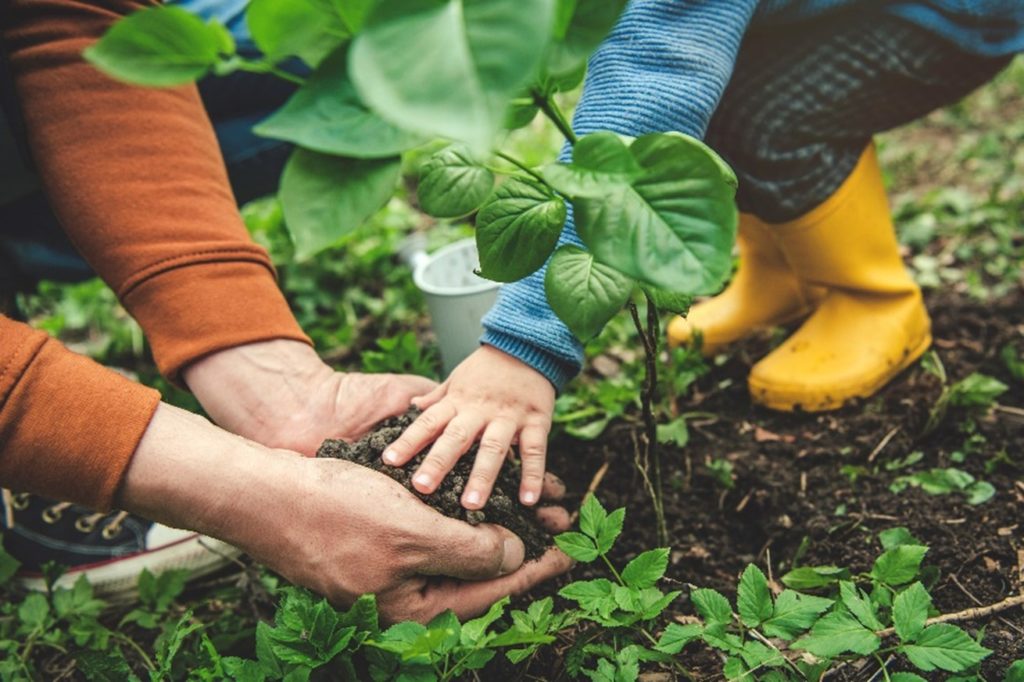
Picture 2. HEDIMED research has a great interest towards the grassroot-level exposome in the prevention and care of the allergy epidemic.
Our research extends beyond, but closely links to soil microbiome, to explore how broader environmental diversity influences immune system development. By analyzing large-scale satellite and health data, our researchers have demonstrated that the presence of green environments around infants’ homes significantly reduced the risk of atopic sensitization.7 This finding reinforces the critical importance of early-life exposure to diverse natural environments for healthy immune maturation.
Given the promising connections between nature-based microbial exposure and immune regulation, we also launched the PREVALL study to investigate preventive strategies in greater detail. This innovative study focuses on exposing children to soil- and vegetation-derived microbial populations in a novel, cloth-integrated approach.8 Our researchers hypothesize that safe early exposure to these microbes could strengthen the functionality of children’s immune systems, reducing the risk of allergic outcomes like IgE mediated sensitization. With new results anticipated by the end of the project, PREVALL has the potential to revolutionize how we think about preventing allergic conditions and other immune mediated diseases in children.
Overall, our studies underscore the potential of leveraging microbial diversity in disease prevention. The safe environmental exposure could also be served via diet. Our research has shown that the edible microbiomes of fruits and vegetables—shaped by factors such as cultivation practices, origin, and post-harvest processing—form an integral part of our gut microbiome.9,10 These insights suggest that dietary exposure to diverse, health-promoting microbes through fruits and vegetables could play a critical role in shaping the developing immune system in early life.
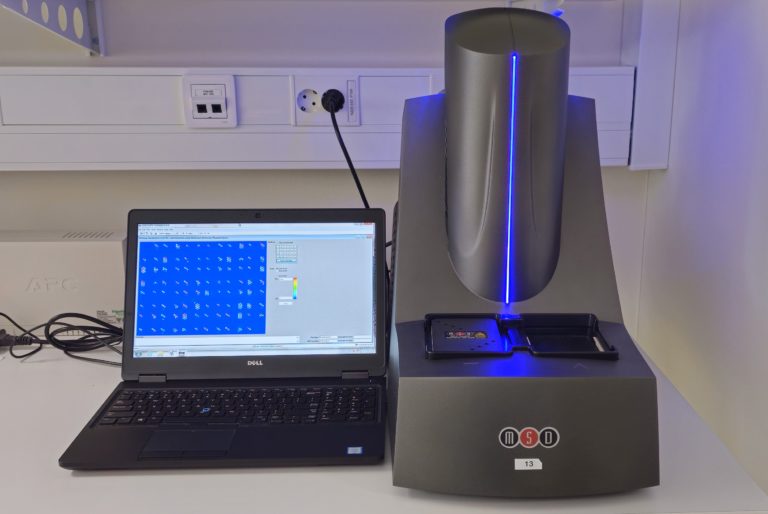
In addition to our focus on environmental factors, our work has driven technological advancements to accelerate allergy research and improve care. A key example is the work of our partner CSEM, which has developed a revolutionary allergy screening technology. This innovation is primarily targeted to doctors or researchers for multiplexed allergen diagnostics or allergen studies. It saves both time and money while making allergy screening more accessible and cost-effective.11 For a deeper dive into this groundbreaking technology, check out our previous blog post that showcases how CSEM’s innovation is transforming the allergy screening landscape.
Future directions: Towards preventive environments
Finland has been at the forefront of innovative allergy prevention through its National Allergy Programme (2008–2018), with success on reducing the burden of allergic diseases by promoting immune tolerance and early exposure to environmental allergens12. To stop and turn the tide of the escalating allergy epidemic, future policy actions should build on national and local allergy programmes. A great example of a local initiative action also comes from Finland, municipality of Lahti with their programme “Nature Step to Health 2022-2032”, integrating public health and environmental sustainability, following the principles of Planetary Health concept.13
The role of green spaces in preventing allergies is complex and not without contradictions. While HEDIMED findings align with the mentioned hypotheses, studies have also shown that certain natural environments may contribute to allergic sensitization14,15. Measuring the natural environment exposure remains a challenge, with a variety of study designs offering incomplete answers.16 People who have lived in urban environments with little exposure to natural elements tend to develop allergic symptoms more easily when they go into the nature. This paradox highlights the complexity of nature’s impact on allergies and emphasizes the need for further research to uncover effective prevention pathways.
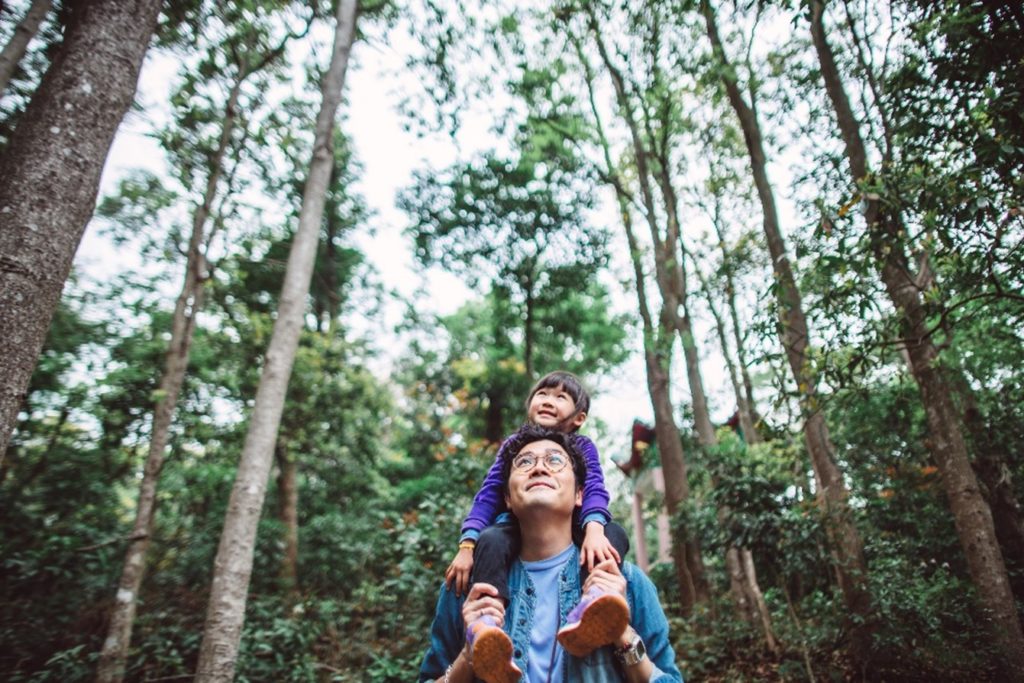
Picture 3. The key findings of HEDIMED indicate that increasing biodiversity in everyday environments could help reduce the growing incidence of allergic diseases.
HEDIMED findings have important implications for urban and areal planning and public health policy. Considering the timely hypothesis, recent research and results from our project, we recommend the policymaking to foster healthy interactions with nature – creating environments that promote immune resilience through early exposure to diverse, natural ecosystems. Practically, this means that urban planning should consider rewilding and prioritization of green spaces, biodiversity, and air quality, which aligns human health with environmental sustainability. Integrating nature contact into everyday life, especially in childhood, should be considered a key priority across various domains, including landscape design, childcare services, educational systems, and recreational opportunities.
The development of sustainable, healthy environments could, one day, work as a prevention for allergies – And what is best: it could be free or very low-cost!
COntributions
This text was written by Henna Numminen, with input from a draft by Minna Turppa. Tiina Palmu, Maria Lönnrot and Jakob Stokholm provided consultation, and the text was reviewed by Heikki Hyöty and Olli Laitinen.
References:
- The European Academy of Allergy and Clinical Immunology (EAACI). 2015. Advocacy Manifesto Tackling the Allergy Crisis in Europe – Concerted Policy Action Needed. Available: https://www.veroval.info/-/media/diagnostics/files/knowledge/eaaci_advocacy_manifesto.pdf
- Strachan DP. Hay fever, hygiene, and household size. Br Med J. (1989) 299(6710):1259–60. doi: 10.1136/bmj.299.6710.1259
- Haahtela, T. 2019. A biodiversity hypothesis. In Allergy: European Journal of Allergy and Clinical Immunology (Vol. 74, Issue 8, pp. 1445–1456). Blackwell Publishing Ltd. https://doi.org/10.1111/all.13763
- Akdis, C. A. (2021). Does the epithelial barrier hypothesis explain the increase in allergy, autoimmunity and other chronic conditions? Nature Reviews. Immunology, 21(11), 739–751. https://doi.org/10.1038/s41577-021-00538-7
- Haahtela, T. (2019). A biodiversity hypothesis. Allergy, 74(8), 1445-1456.
- Roslund, M. I., Parajuli, A., Hui, N., Puhakka, R., Grönroos, M., Soininen, L., et al. (2022). A Placebo-controlled double-blinded test of the biodiversity hypothesis of immune-mediated diseases: Environmental microbial diversity elicits changes in cytokines and increase in T regulatory cells in young children. Ecotoxicology and Environmental Safety, 242, 113900.
- Voor, T., Pärtel, M., Peet, A., Saare, L., Hyöty, H., Knip, M., Davison, J., Zobel, M., & Tillmann, V. (2023). Atopic sensitization in childhood depends on the type of green area around the home in infancy. Clinical and Experimental Allergy, 53(8), 850–853. https://doi.org/10.1111/cea.14317
- Prevall study: https://research.tuni.fi/virology/news/prevall-tutkii-luontoaltistuksen-vaikutusta-lasten-allergisoitumisen-ehkaisyyn/ Ref. in Jan 2025.
- Wicaksono, W. A., Buko, A., Kusstatscher, P., Cernava, T., Sinkkonen, A., Laitinen, O. H., Berg, G. et al. (2023). Impact of Cultivation and Origin on the Fruit Microbiome of Apples and Blueberries and Implications for the Exposome. Microbial Ecology, 86(2), 973-984.
- Wicaksono, W. A., Cernava, T., Wassermann, B., Abdelfattah, A., Soto-Giron, M. J., Toledo, G. V., Berg, G. et al. (2023). The edible plant microbiome: evidence for the occurrence of fruit and vegetable bacteria in the human gut. Gut Microbes, 15(2), 2258565.
- CSEM Demuru, S., Chai-Gao, H., Shynkarenko, Y., Hermann, N., Boia, P. D., Cristofolini, P., et al. (2024). Point-of-Care Fluorescence Biosensing System for Rapid Multi-Allergen Screening. Sensors, 24(11), 3280.
- Haahtela, T., Valovirta, E., Saarinen, K., Jantunen, J., Lindström, I., Kauppi, P., et al. (2021). The Finnish Allergy Program 2008-2018: Society-wide proactive program for change of management to mitigate allergy burden. Journal of Allergy and Clinical Immunology, 148(2), 319-326.
- Hämäläinen, R. M., Halonen, J. I., Haveri, H., Prass, M., Virtanen, S. M., Salomaa, M. M., et al. (2023). Nature step to health 2022-2032: interorganizational collaboration to prevent human disease, nature loss, and climate crisis. The Journal of Climate Change and Health, 10, 100194.
- Lukkarinen, M., Kirjavainen, P. V., Backman, K., Gonzales‐Inca, C., Hickman, B., Kallio, S. et al. (2023). Early‐life environment and the risk of eczema at 2 years—Meta‐analyses of six Finnish birth cohorts.Pediatric Allergy and Immunology, 34(4), e13945.
- Parmes, E., Pesce, G., Sabel, C. E., Baldacci, S., Bono, R., Brescianini, S., et al. (2020). Influence of residential land cover on childhood allergic and respiratory symptoms and diseases: evidence from 9 European cohorts. Environmental research, 183, 108953.
- Galitskaya, P., Luukkonen, A., Roslund, M. I., Mänttäri, M., Yli-Viikari, A., Tyrväinen, L., Sinkkonen, A. & Laitinen, O. (2024). Green space quantity and exposure in relation to the risk of immune-mediated diseases: a scoping review. BMC Public Health, 24(1), 1-19.