HEDIMED final Consortium Meeting in Siena

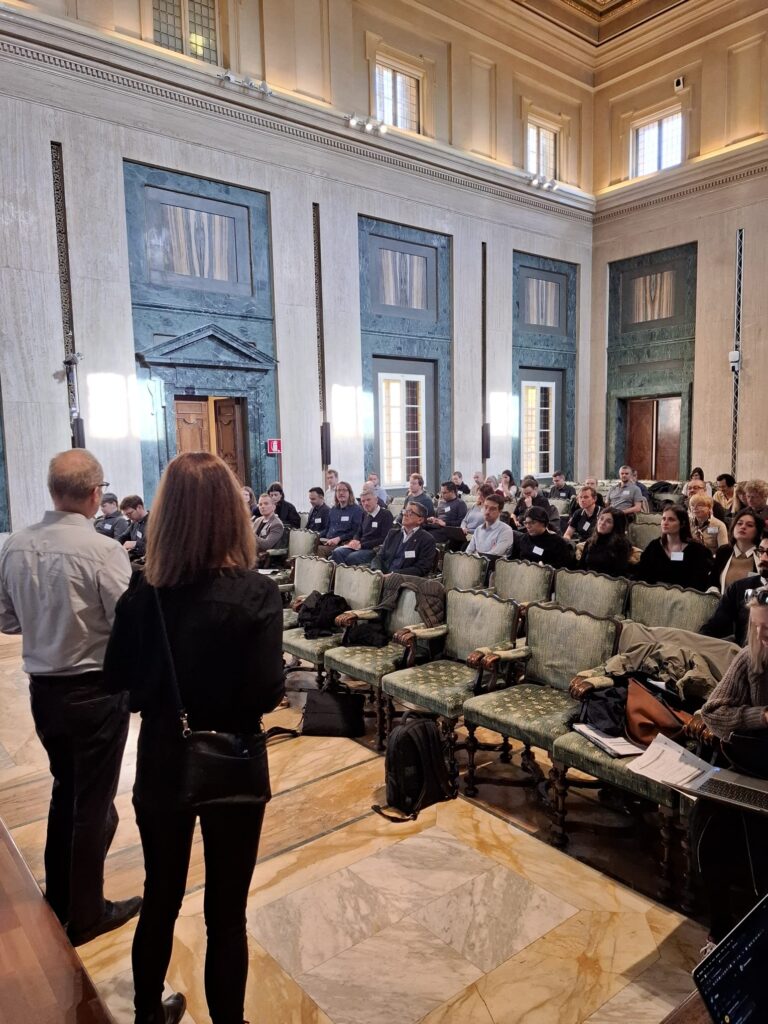
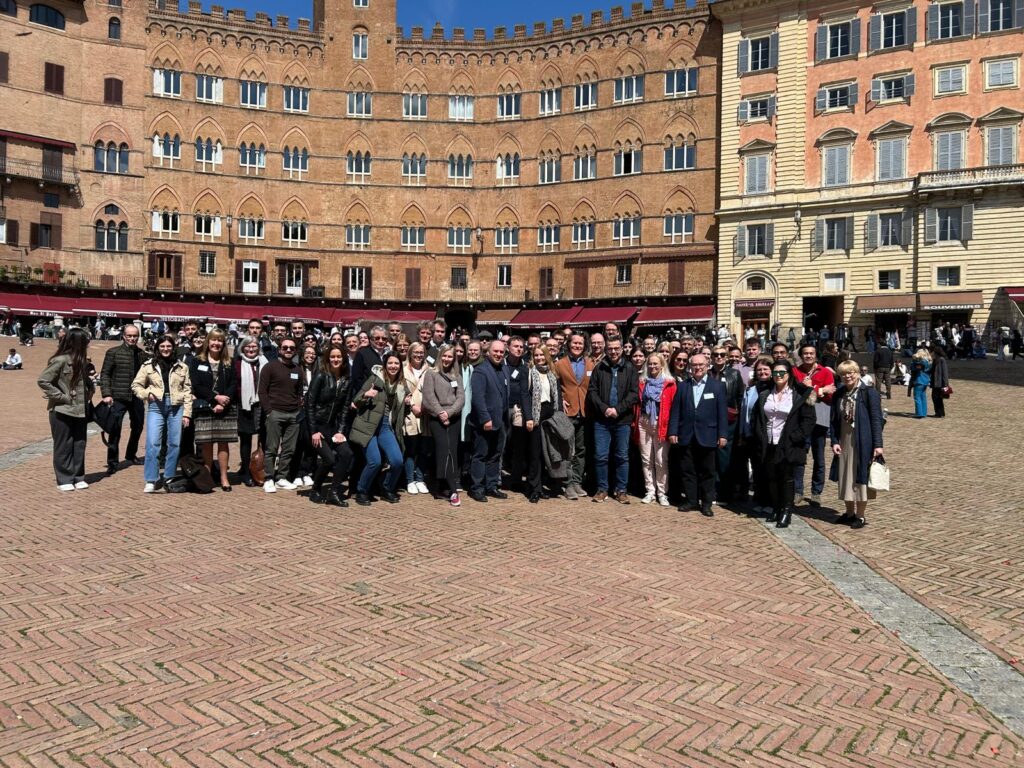

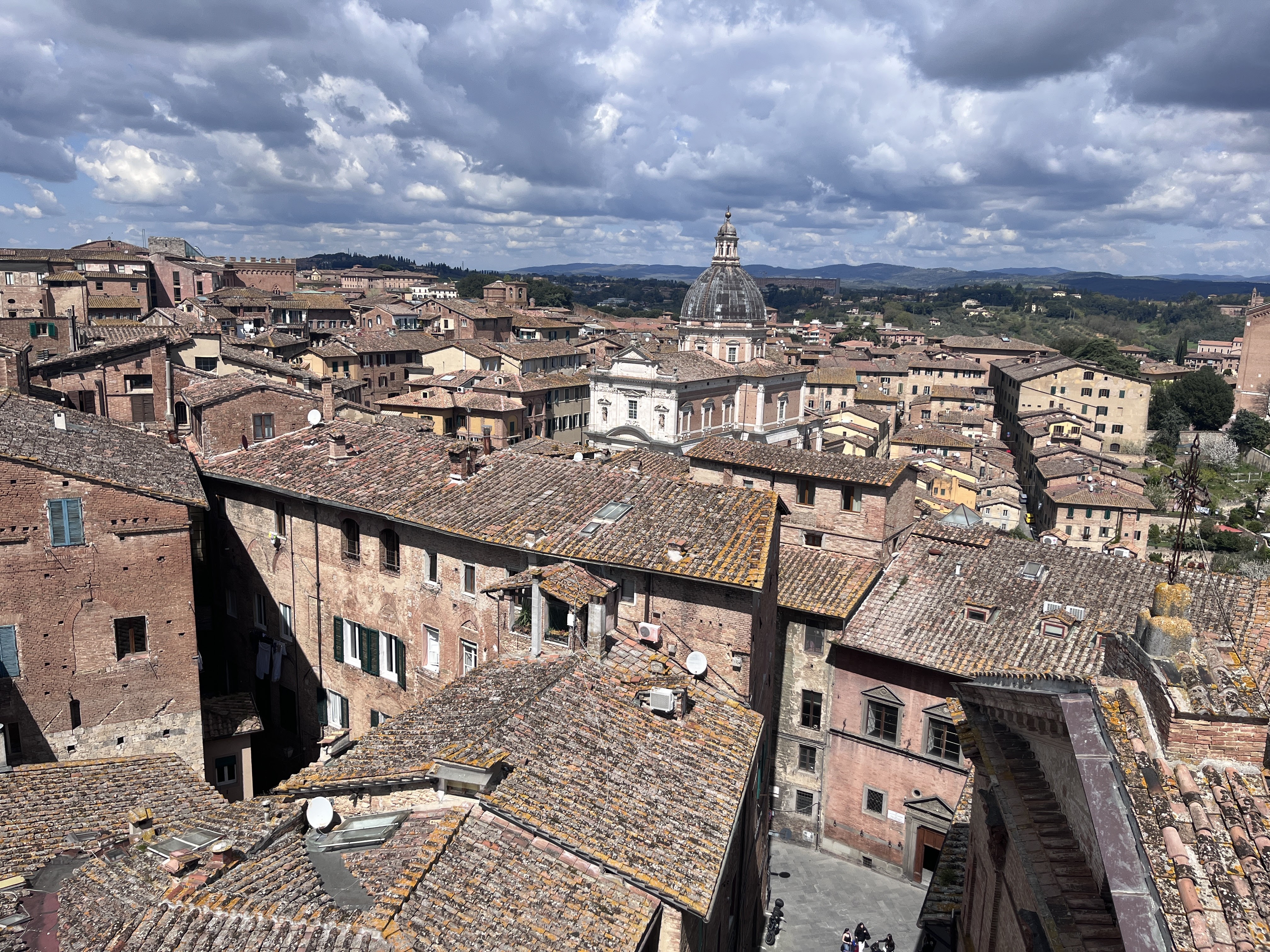
The HEDIMED Consortium gathered for its final meeting in Siena from April 8th to 11th, bringing together leading minds in exposome research for a vibrant and inspiring event. Hosted in the stunning historical Rettorato building, the meeting was a true celebration of science, collaboration, and shared achievements.
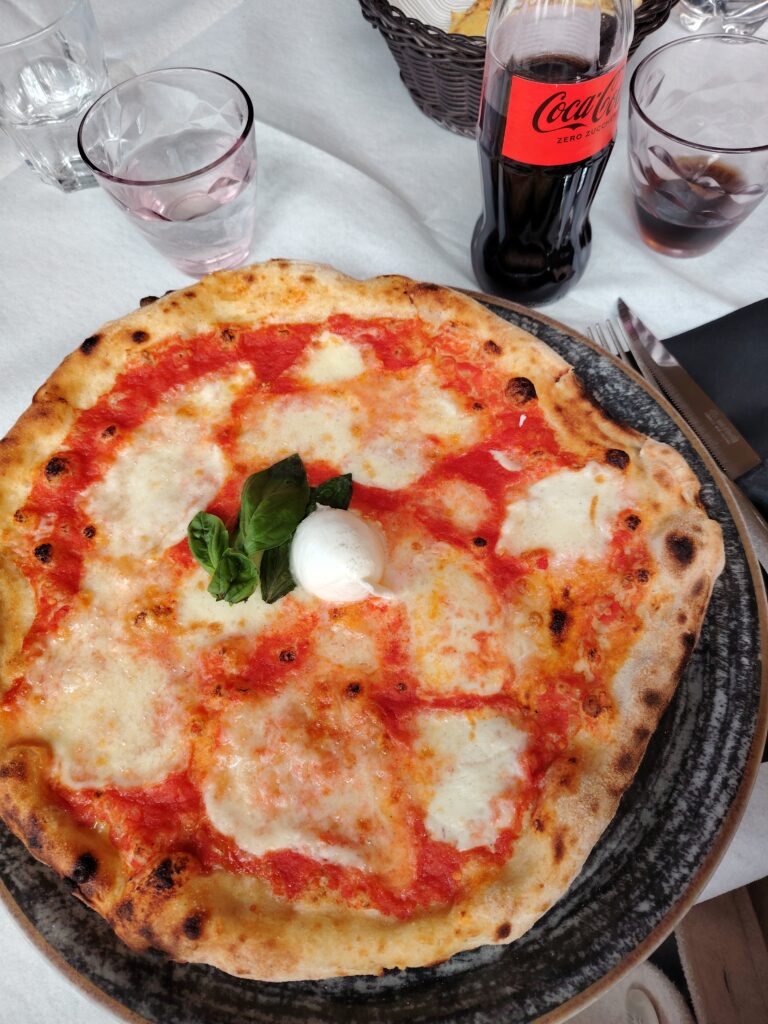
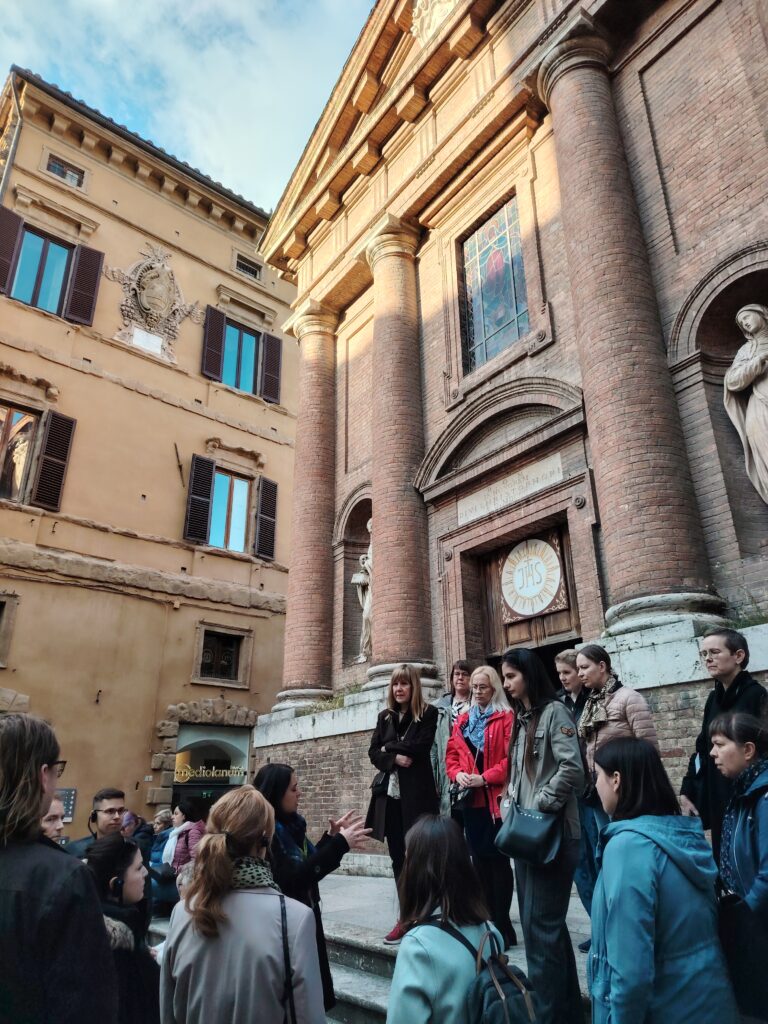
Over several days, participants dived into the latest exposomic science, sharing highly interesting outcomes and enhancing strong connections that promise to inspire future co-working initiatives. The energy and warmth of the group were palpable, both during the scientific sessions and throughout social events, including poster session, a delightful walking tour through Siena’s historic heart and a memorable collaborative dinner featuring Italian cuisine!
A heartfelt thank you to everyone who attended, presented, and contributed their great work to this final consortium gathering. We look forward to keeping the momentum alive and sharing the final highlights during the HEDIMED Stakeholder Event on May 20th. Stay tuned!

Many infectious diseases have dramatically decreased during the last 100 years in developed countries. Meanwhile, epidemiologic statistics indicate an increasing incidence in allergic disorders, like asthma, rhinitis and atopic dermatitis and autoimmune diseases such as type 1 diabetes, multiple sclerosis (MS) and celiac disease.1 As these diseases impact millions of people especially in Western nations,…

A workshop on ‘Exposome expectations in child health’ was held on 16th-20th October in Leiden, Netherlands. This was an intensive and interactive event for slightly over 20 people from multiple sectors of exposome research. Wide-ranging expertise was gathered! HEDIMED took advantage of being involved in this transdisciplinary, important, and future-oriented work. The exposome research on…

Some of our key investigators took part in the 19th International Celiac Disease Symposium ICDS2022 in Sorrento, Italy. The symposium is the key forum for scientists, clinicians, health allied professionals, patient associations and industry to meet and exchange knowledge and improve cooperation across care and prevention of celiac disease. The bi-annual meeting aims to mainstream…

On Tuesday, 22nd May, the HEDIMED team hosted the projet’s final public event — a culmination of years of groundbreaking work exploring how environmental exposures influence immune-mediated diseases. The online event “Environment & Immune-mediated diseases: Exposomic insights from the HEDIMED Project – Final Stakeholder Event” brought together over 100 participants from 17 different European countries!…

Celiac disease, a condition where the immune system reacts abnormally to gluten, used to be considered rare. Today, it’s being diagnosed more than ever – especially in children. But this increase isn’t just due to better testing. Evidence suggests the disease itself is becoming more common, at least in certain countries (King et al. 2020)….
Advancing the use of health data in a secure and collaborative manner is critical for driving innovation in exposome research. The European Health Data Space (EHDS) is an EU initiative designed to facilitate the secure sharing and utilization of health data for healthcare, research, and policymaking across member states. It plays a pivotal role in…